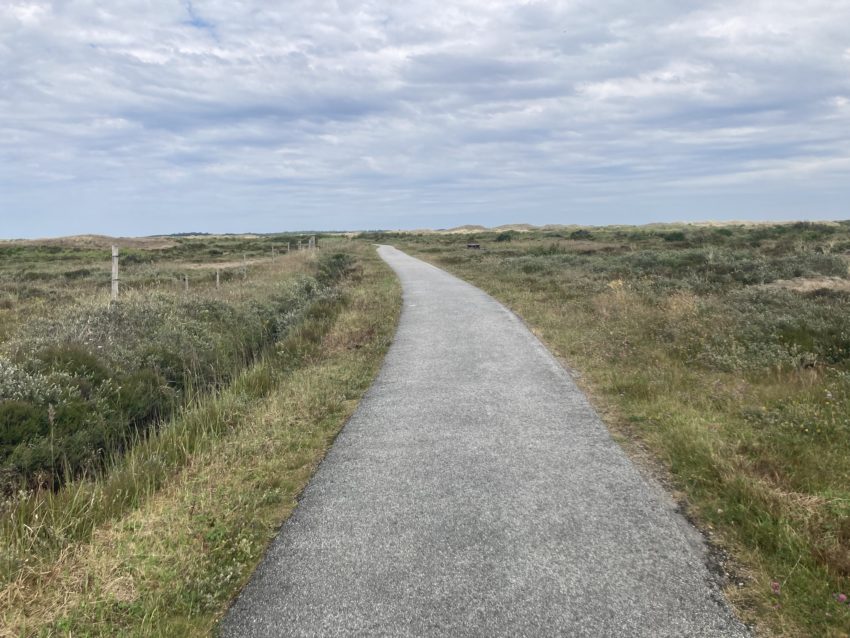
W nocy nad Majorną przeszła ulewa. Na szczęście wczoraj sprawdziłem prognozę pogody i zdążyłem przestawić rower pod dach. Ucieszyłem się rano kiedy zobaczyłem suchą Kolubrynę. Nie wiedziałem jeszcze wtedy co mnie czeka kilka godzin później 🙂
En: Last night, a downpour swept over Majorna. Fortunately, I checked the weather forecast yesterday and managed to move my bike under a roof. I was happy this morning when I saw a dry Kolubryna. Little did I know what awaited me a few hours later 🙂
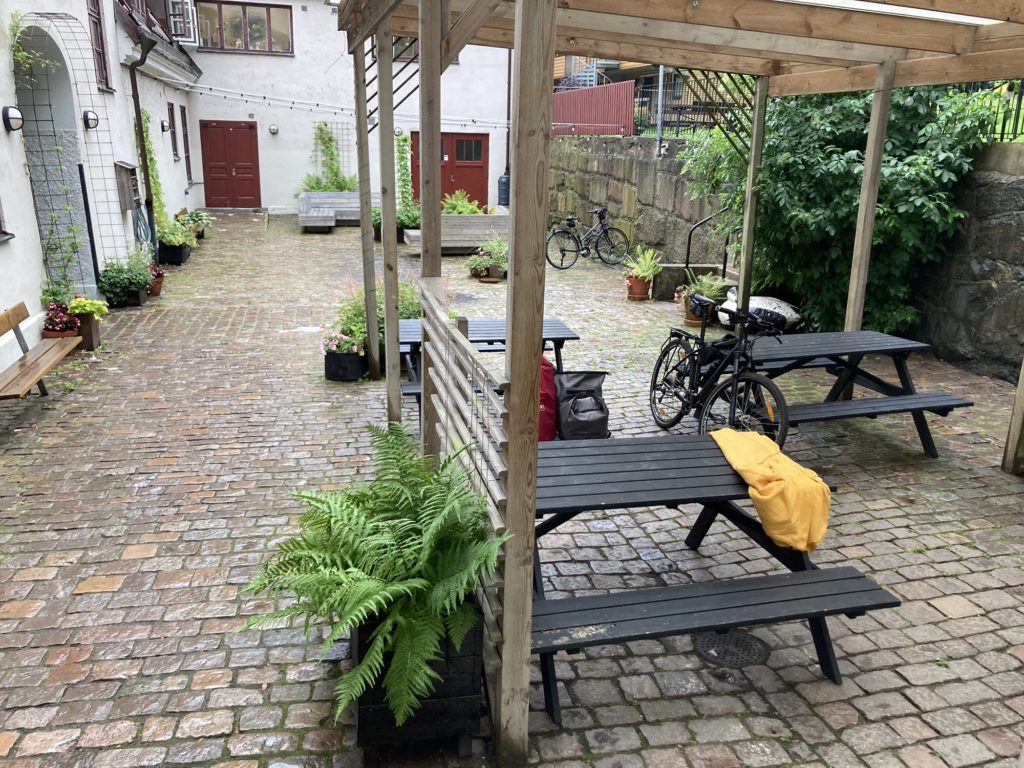
Prom z Getebörga do Frederikshavn płynie 3.5 godziny. W sam raz żeby uzupełnić kalorie i kofeinę. I ewentualnie odrobinę się zdrzemnąć.
En: The ferry from Gothenburg to Frederikshavn takes 3.5 hours. Just enough time to replenish calories and caffeine. And perhaps take a little nap.
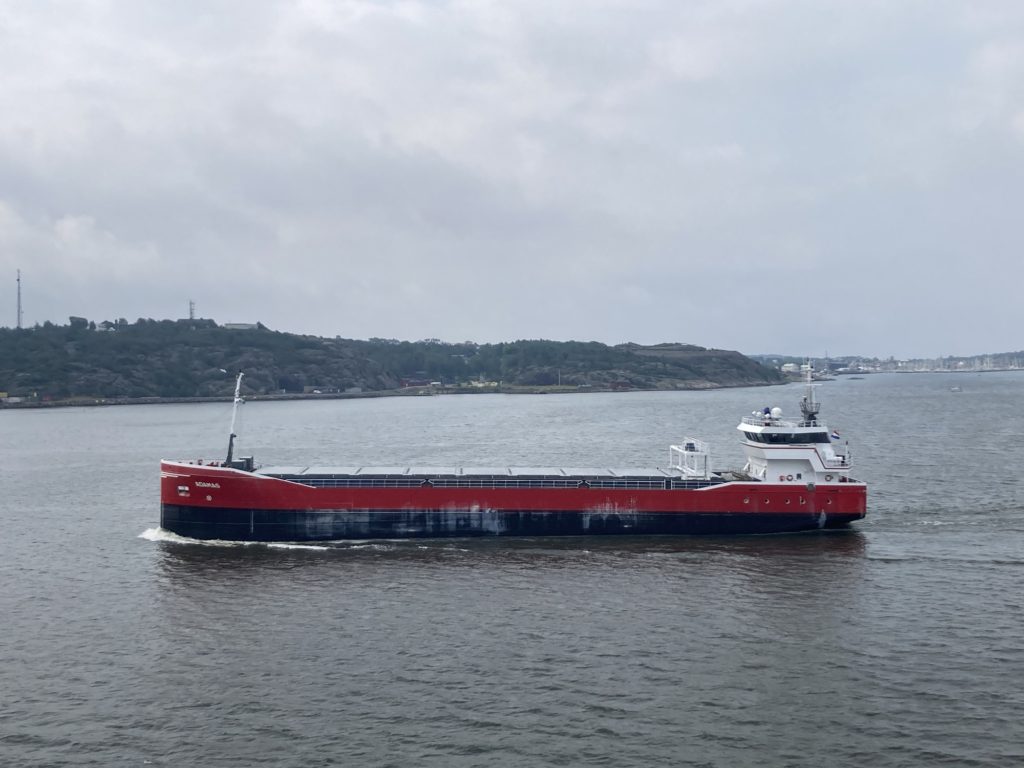
Docieram do Frederikshavn. Miasto było kiedyś wioską rybacką i nazywało się Fladstrand (Płaska plaża). Ale strategiczne położenie nad Cieśninami Duńskimi sprawiło, że jego znaczenie szybko rosło. Wojny Północne nie tylko przyspieszyły rozwój portu cywilnego (kursy do Norwegii w związku ze szwedzkimi blokadami pozostałych duńskich portów), ale i rozwój miejskich fortyfikacji. W końcu w 1818 roku król Frederik VI nadal miastu status miasta handlowego pod nazwą Frederikshavn (Port Frederika).
En: I arrive in Frederikshavn. The city was once a fishing village called Fladstrand (Flat Beach). However, its strategic location on the Danish Straits quickly increased its significance. The Northern Wars not only accelerated the development of the civilian port (with routes to Norway due to Swedish blockades of other Danish ports) but also the development of the city’s fortifications. Finally, in 1818, King Frederick VI granted it the status of a market town under the name Frederikshavn (Frederik’s Port).
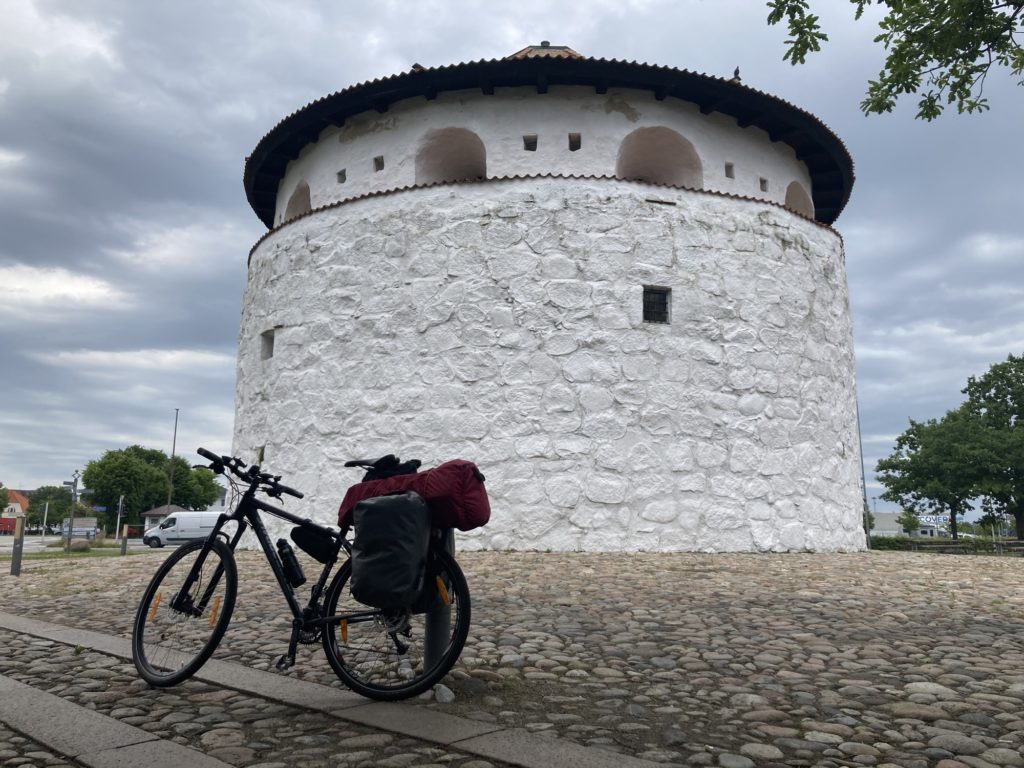
Zjeżdżam z promu i od razu ruszam w trasę. Zatrzymuję się tylko na moment obejrzeć rotundę Krudttårnet (wieża prochu). Zbudowana pod koniec XVII wieku jako część fortyfikacji miejskich w reakcji na rosnące zagrożenie ze strony Szwecji. Służyła jako magazyn prochu, jej potężne mury miały chronić przechowywany wewnątrz proch i amunicję przed ostrzałem z zewnątrz.
En: I disembark from the ferry and immediately set off on my route. I stop only for a moment to see the Krudttårnet (Powder Tower). Built in the late 17th century as part of the city’s fortifications in response to the growing threat from Sweden, it served as a gunpowder magazine. Its thick walls were designed to protect the gunpowder and ammunition stored inside from external shelling.
Wyjeżdżam z miasta, ale podmiejski charakter zabudowy utrzymuje się jeszcze dobrych kilkanaście kilometrów. Jest w tej zabudowie coś skandynawskiego, ale nie przypomina to stylu, który znam ze Szwecji. Styl nie jest jednolity i nie widzę w nim charakterystycznego akcentu.
En: I leave the city, but the suburban character of the buildings continues for a good several kilometers. There is something Scandinavian about this architecture, but it doesn’t resemble the style I’m familiar with from Sweden. The style isn’t uniform, and I don’t see a distinctive accent.
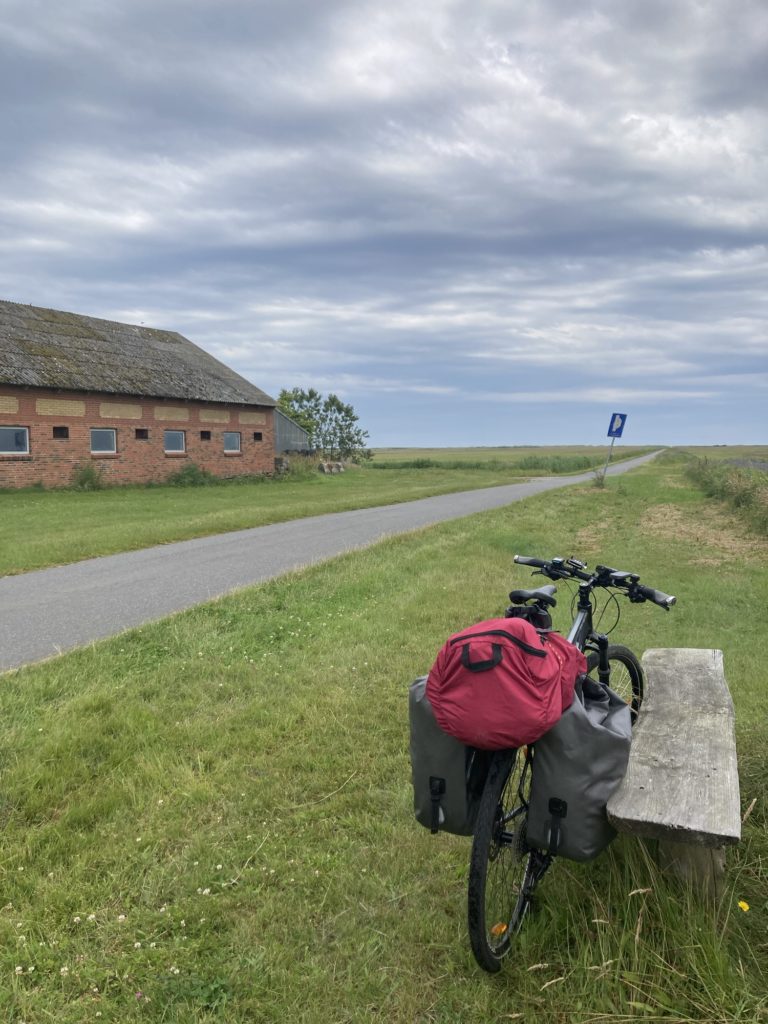
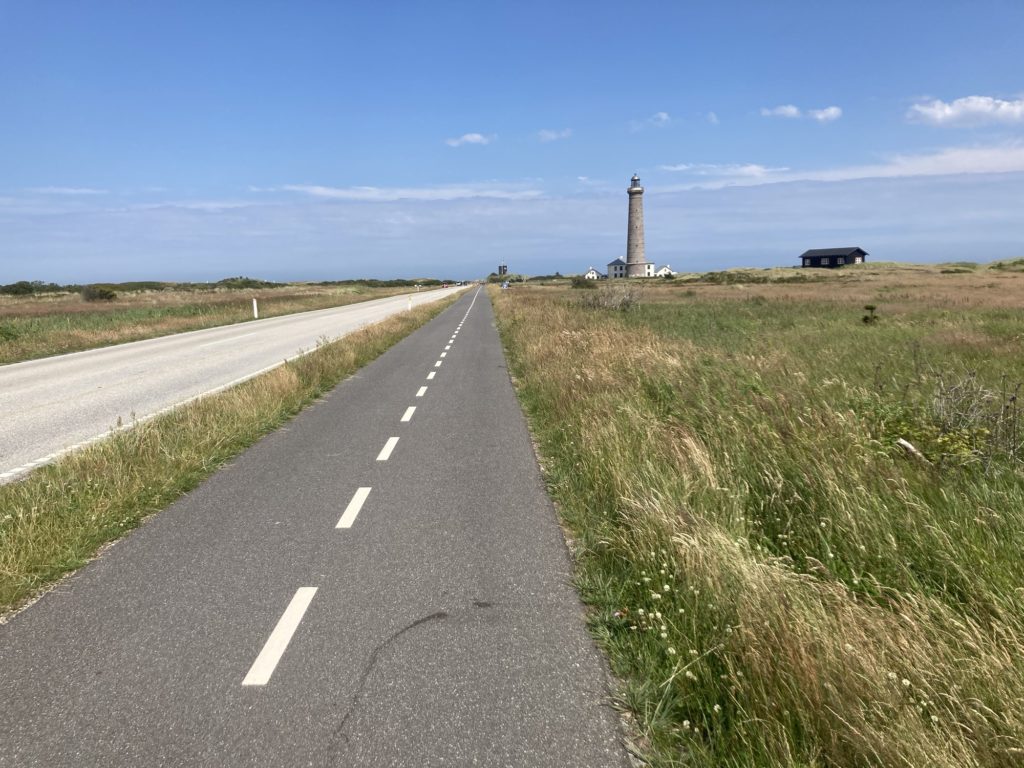
Chwilę potem zaczyna się krajobraz rolniczy. I po raz pierwszy uderza mnie jak bardzo Jutlandia Północna jest płaska! Kiedy zobaczyłem poniższy obrazek, pomyślałem że znam ten widok z Mazowsza. Miła odmiana po pagórkowatej Szwecji.
En: Shortly after, the landscape transitions to agricultural. For the first time, I’m struck by how flat Northern Jutland is! When I saw the scene below, I thought I recognized it from Mazovia. A nice change after hilly Sweden.
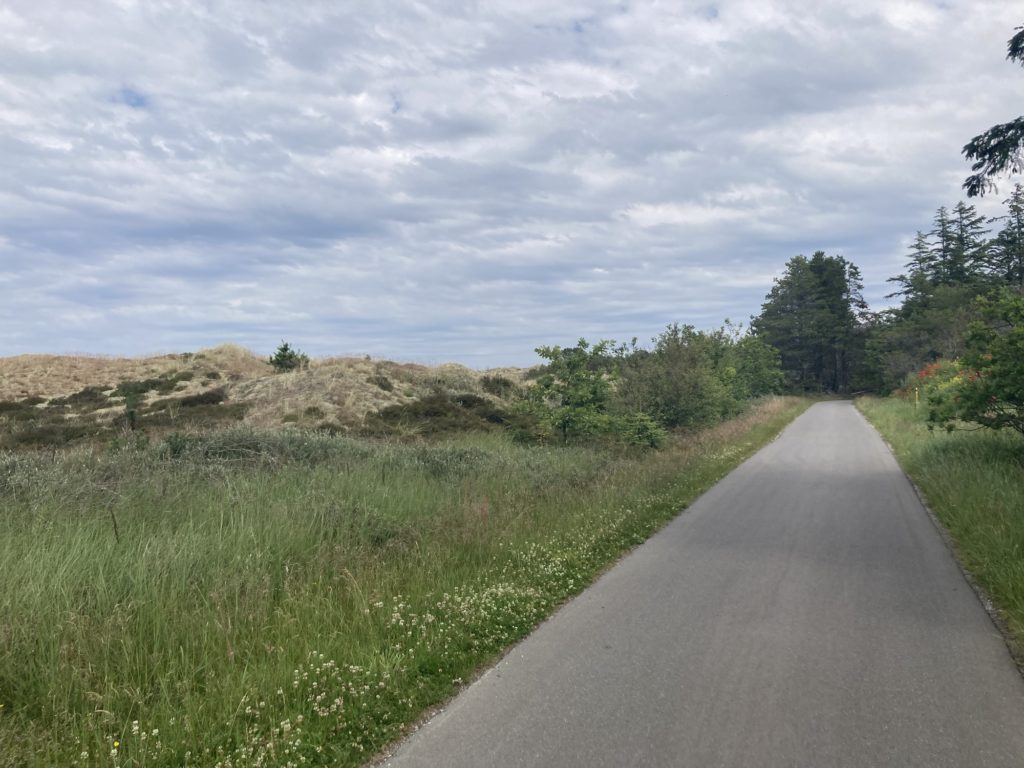
Zbliżam się do Skagen, a po obu stronach drogi zaczynają pojawiać się wydmy. Ciągną się przez kilka kilometrów, tworząc pustynno-księżycowy krajobraz.
En: I’m approaching Skagen, and dunes are starting to appear on both sides of the road. They stretch for several kilometers, creating a desert-moonlike landscape.
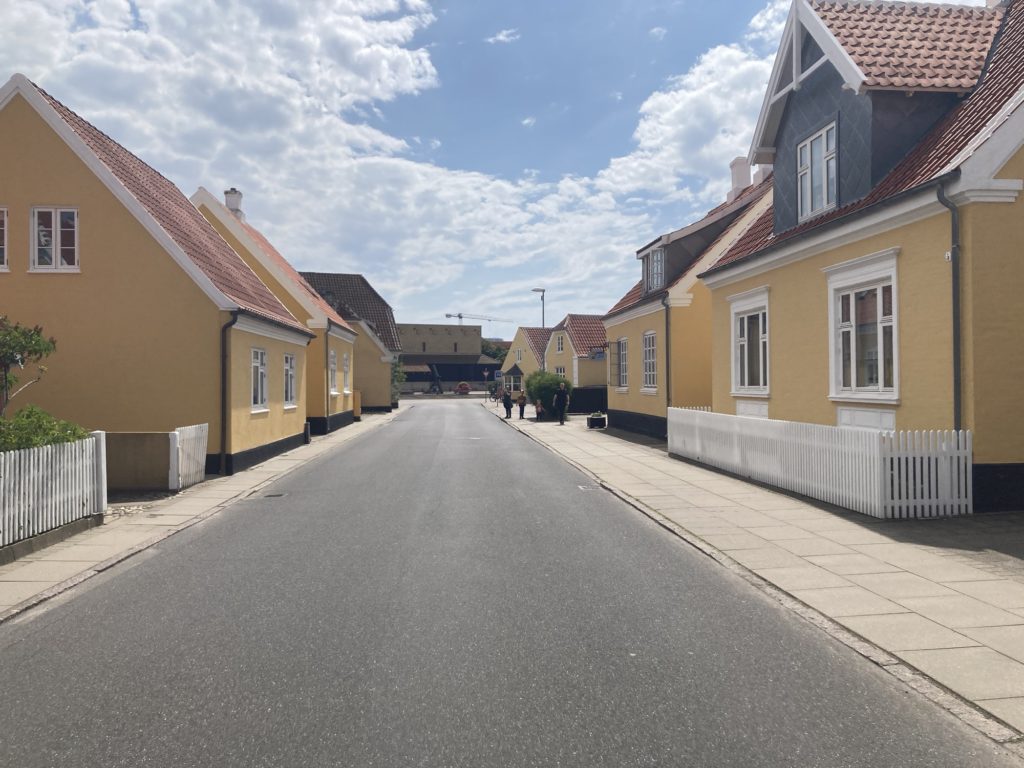
Skagen. Pierwsze, co rzuca się w oczy, to spójny i bardzo charakterystyczny styl architektoniczny, na którego brak narzekałem kilka zdań wcześniej. Większość domów mieszkalnych jest w podobnym stylu z żółtą fasadą i dachem krytym czerwoną dachówką.
En: Skagen. The first thing that stands out is the cohesive and very distinctive architectural style, which I was missing a few sentences earlier. Most residential houses are in a similar style with yellow facades and roofs covered with red tiles.
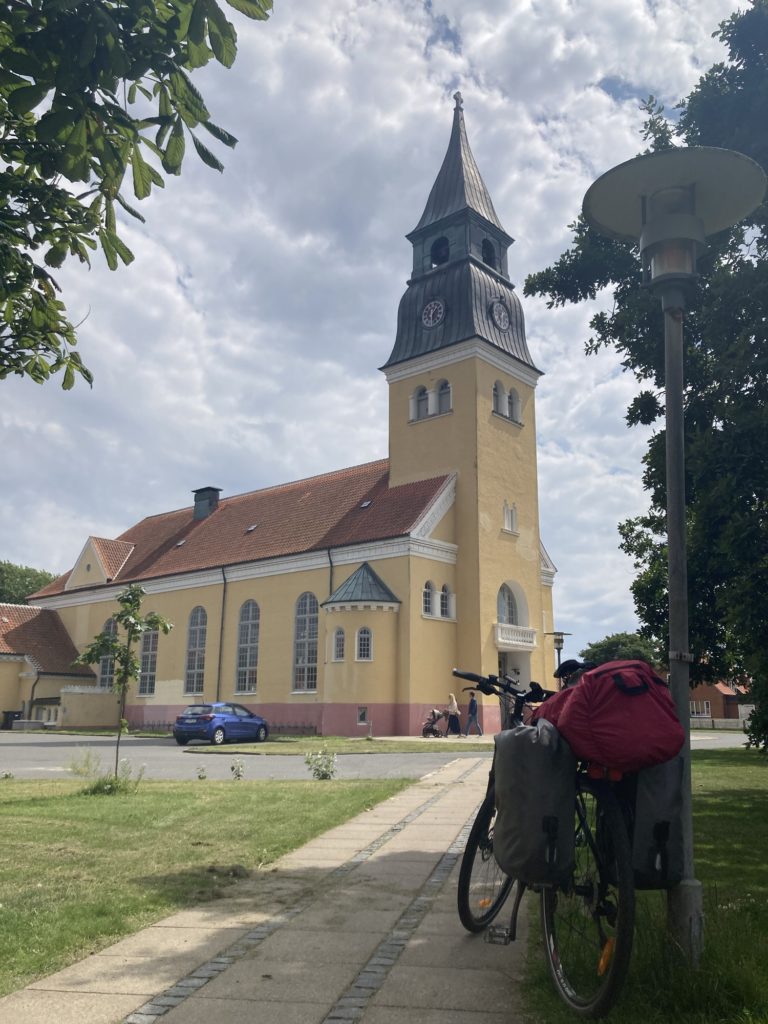
Kiedy po obiedzie podchodzę do roweru żeby go odbezpieczyć, widzę na chodniku faceta z laptopem, przy którym leży rower. Wszystko w porządku? – pytam. Taak, kradnę tylko internet z pobliskiej restauracji, bo mój internet w komórce jest g**niany. Rozmawiamy o swoich wyprawach, o Danii i Szwecji (mieszka w Szwecji), ale i o Holandii z której pochodzi. „Holandia to g**wno, mówi. Najgorszy kraj na świecie. Wszystko opiera się o banki, o rynek finansowy, reszta leży. Specjaliści wyjeżdżają. Ekolodzy paraliżują ruchy rządu, nikt nikomu nie ufa…”. Udaje mi się zmienić temat, rozmawiamy o wyprawie na Cape North (na której był, a na którą ja chcę kiedyś pojechać), rozmawiamy o mojej wyprawie, którędy będę jechał. Mówię mu, że przejeżdżam przez miejscowość o nazwie Zwolle w Holandii. I słyszę w odpowiedzi o wspaniałym jeziorze, na brzegu którego rozciąga się niepowtarzalny park narodowy, w którym rosną kwiaty przypominające mu jego dzieciństwo, a za parkiem jest wzgórze na które koniecznie muszę się wdrapać bo widać stamtąd krajobraz, którego nie ma nigdzie indziej na świecie, a jeszcze dalej – ciągnie – można przespacerować się płaskim jak stół kawałkiem ziemi, która leży 3 metry pod poziomem morza… przerywam mu, bo muszę jechać, ale na koniec rzucam: – Wiesz co? Powinieneś się czasem posłuchać. Opowiadasz mi o najwspanialszym miejscu na świecie, a przed chwilą mówiłeś o nim, że to g**wno. Chwilę milczy wpatrzony w swój laptop, po czym spogląda na mnie i mówi: – Cholera, masz rację. Pomyślę o tym. Życzymy sobie powodzenia w dalszej drodze i rozstajemy się.
En: When I approach my bike after lunch to unlock it, I see a guy with a laptop sitting on the sidewalk next to his bike. “Everything alright?” I ask. “Yeah, I’m just stealing some internet from the nearby restaurant because my mobile internet is crap,” he replies. We talk about our travels, Denmark and Sweden (he lives in Sweden), but also about the Netherlands, where he’s from. “The Netherlands is crap,” he says. “The worst country in the world. Everything revolves around banks and the financial market, the rest is a mess. Specialists are leaving. Environmentalists paralyze government actions, no one trusts anyone…”. I manage to change the subject, and we talk about a trip to Cape North (which he has done, and I want to do someday). We talk about my journey and the route I’ll be taking. I tell him that I’ll be passing through a town called Zwolle in the Netherlands. In response, he tells me about a wonderful lake, by which lies a unique national park where flowers grow that remind him of his childhood. Beyond the park is a hill I must climb because the view from there is like nowhere else in the world, and even further, he continues, you can walk on a flat piece of land that lies 3 meters below sea level… I interrupt him because I have to go, but I say: “You know what? You should listen to yourself sometimes. You’re telling me about the most wonderful place in the world, and just a moment ago, you said it was crap.” He falls silent, staring at his laptop, then looks at me and says, “Damn, you’re right. I’ll think about it.” We wish each other luck on our journeys and part ways.
Niesamowite dla mnie jest to, jak łatwo jest zredukować do zera dystans do drugiego rowerzysty w trasie. Codziennie zdarza mi się rozmawiać rowerzystami i regularnie w kilka minut możemy rozmawiać o sprawach, o których czasem miałbym trudność rozmawiać z ludźmi, których znam dość długo.
En: What amazes me is how easy it is to reduce the distance to another cyclist on the road to zero. Every day, I find myself talking to cyclists, and within a few minutes, we can discuss matters that I might sometimes struggle to talk about with people I’ve known for quite a while.
Każdy kraj ma swój koniec. Niektóre mają dwa, albo i więcej. Problem z nimi jest taki, że nie do końca wiadomo ile ich jest. Bo też każdy może za koniec brać coś innego. Ja na przykład znam przynajmniej dwa końce Polski: jeden na Helu (koniec półwyspu), a drugi w Bieszczadach (źródła Sanu). Wy zapewne znacie znacznie więcej końców Polski. Ale koniec, o którym dziś opowiem jest końcem Danii i nazywa się Grenen (gałąź). Jest to długa piaszczysta mierzeja, która wcina się w morze. Kiedy planowałem trasę pomyślałem sobie – być w Danii i nie być na końcu Danii? – nie wypada. Więc włączyłem Grenen do trasy.
En: Every country has its end. Some have two, or even more. The problem with them is that it’s not entirely clear how many there are. Everyone can consider something different as the end. For example, I know at least two ends of Poland: one in Hel (the end of the peninsula) and another in the Bieszczady Mountains (the source of the San River). You probably know many more ends of Poland. But the end I will tell you about today is the end of Denmark, and it’s called Grenen (the branch). It’s a long sandy spit that juts into the sea. When I was planning the route, I thought to myself—being in Denmark and not visiting the end of Denmark? That wouldn’t do. So, I included Grenen in the route.
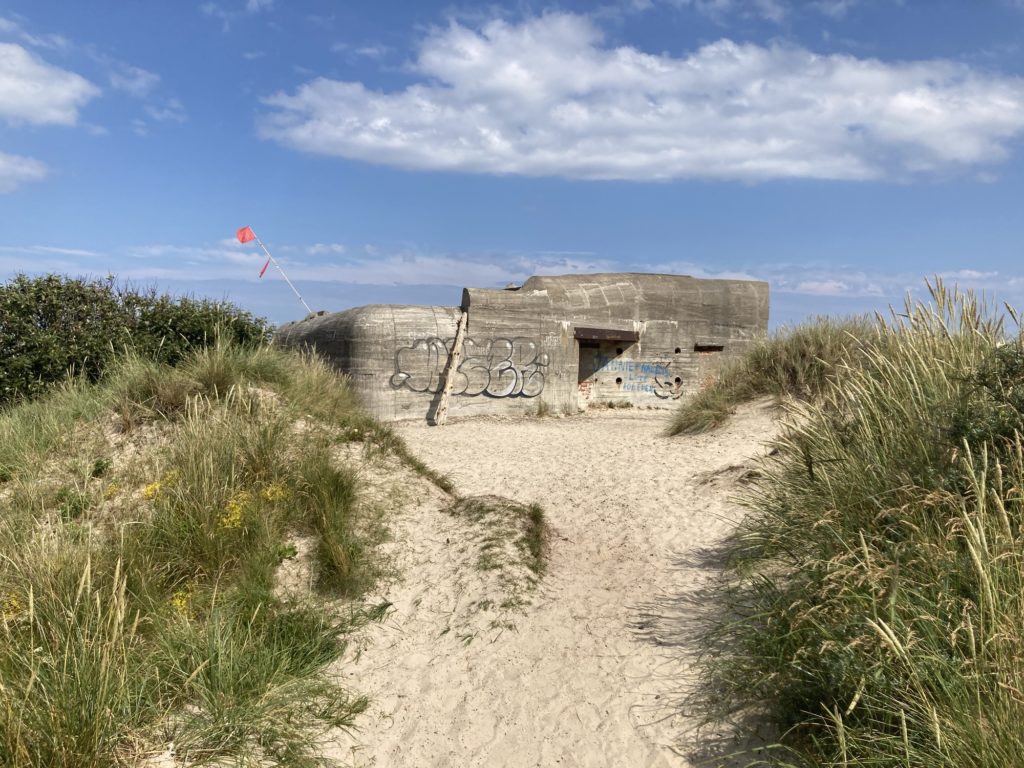
Według znanego i lubianego polskiego filmu, żeby było fajnie wcale nie musi być bunkrów. A tu są. Wokół Grenen Niemcy w czasie drugiej wojny światowej zbudowali system umocnień, który był częścią tzw. Wału Atlantyckiego, który miał chronić okupowane tereny przed aliancką inwazją.
En: According to a well-known and loved Polish film, for something to be cool, there doesn’t have to be any bunkers. But here, there are. Around Grenen, the Germans built a system of fortifications during World War II, which was part of the so-called Atlantic Wall, designed to protect occupied territories from an Allied invasion.
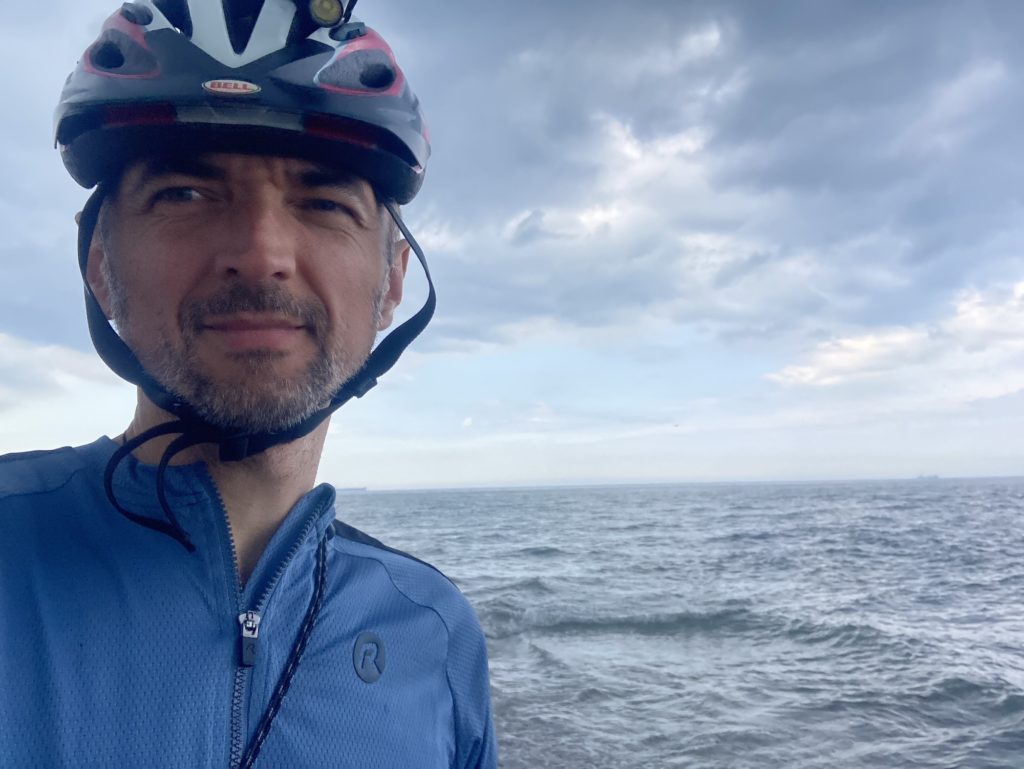
W końcu docieram na koniec Danii. Jest pięknie, ale to co widzę (a czego nie ma na zdjęciu) sprawia że szybko zaczynam biec z powrotem.
En: Finally, I reach the end of Denmark. It’s beautiful, but what I see (and what’s not in the picture) makes me quickly start running back.
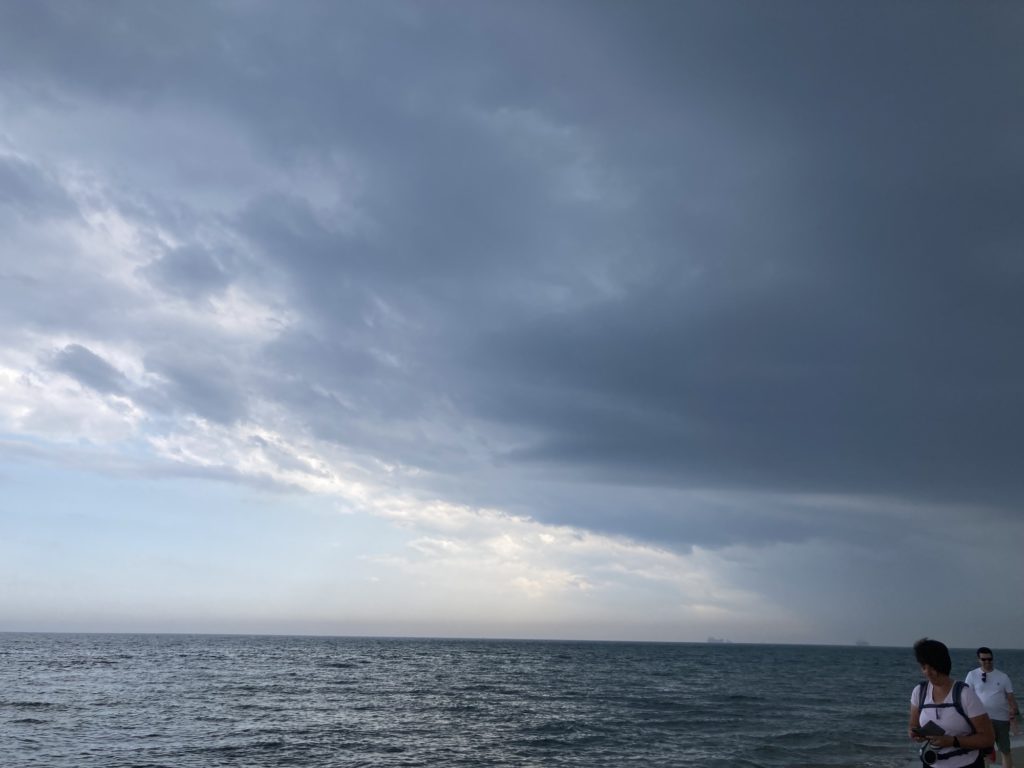
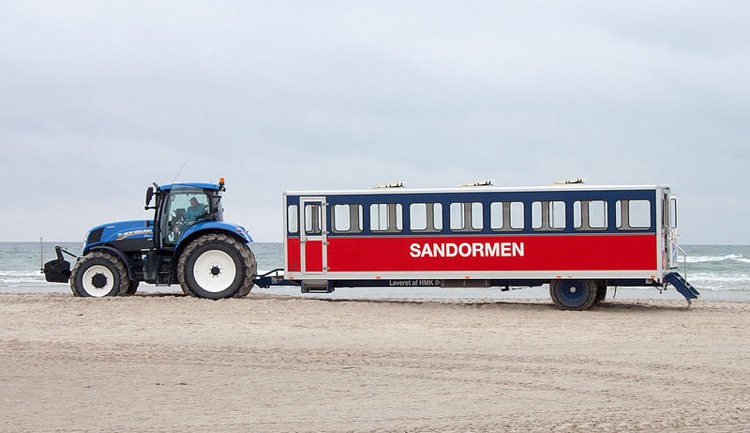
Zaczyna kropić. Padać. Lać. Istne urwanie chmury. Słabo, myślę. Kolubryna i tak zmoknie bo zostawiłem ją na parkingu 1 km stąd. Ale ja mam ze soba dokumenty i telefon w torebce, której wodoszczelności nie chciałbym testować akurat dziś. Widzę jakiś traktor z zabudowaną przyczepą. Podbiegam i rzucam: na parking? Na parking. Ile? 20 DKK. Można kartą? Można. Uff. Udaje się, 20 minut później jestem na parkingu. Usługa nazywa się Sandormen i wozi turystów między parkingiem a Grenen.
En: It starts drizzling. Then raining. Then pouring. A real downpour. “This is bad,” I think. Kolubryna will get soaked anyway because I left her in the parking lot 1 km away. But I have my documents and phone in a bag, whose waterproofness I don’t want to test today. I see a tractor with an enclosed trailer. I run up and ask, “To the parking lot?” “To the parking lot.” “How much?” “20 DKK.” “Can I pay by card?” “Yes.” Phew. It works out, and 20 minutes later, I’m at the parking lot. The service is called Sandormen and transports tourists between the parking lot and Grenen.
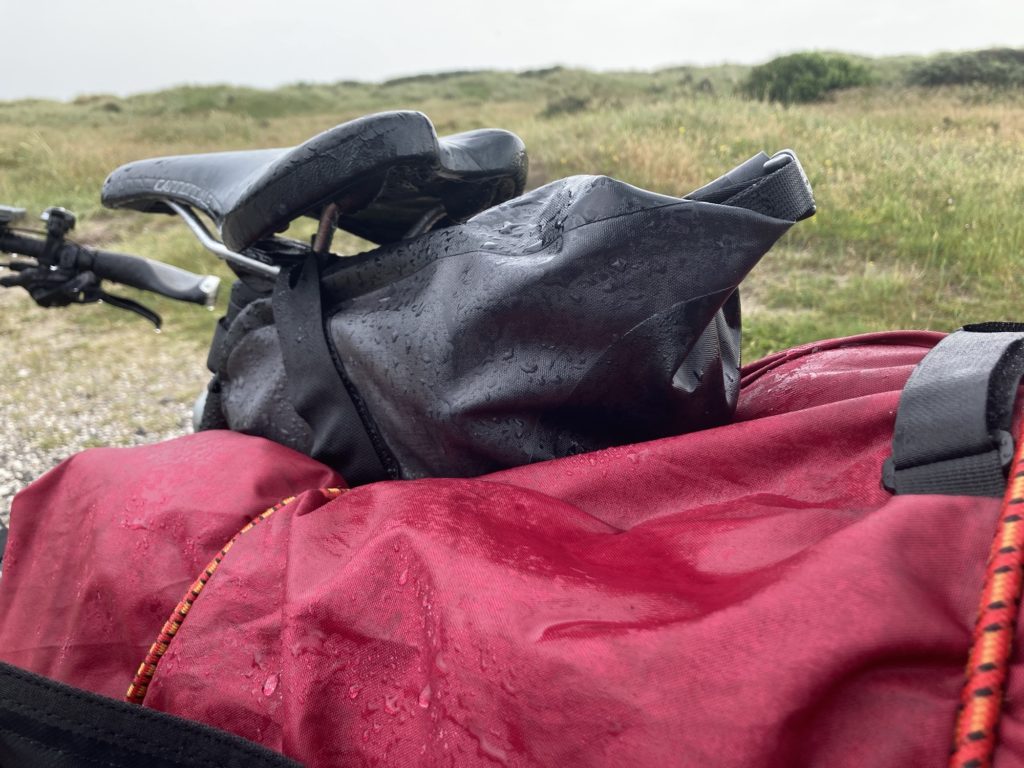
Co prawda wciąż leje, ale mam tu wodoodporne sakwy i kurtkę przeciwdeszczową. Jest pole manewru.
En: Even though it’s still pouring, I have waterproof panniers and a rain jacket. There’s some room to maneuver.
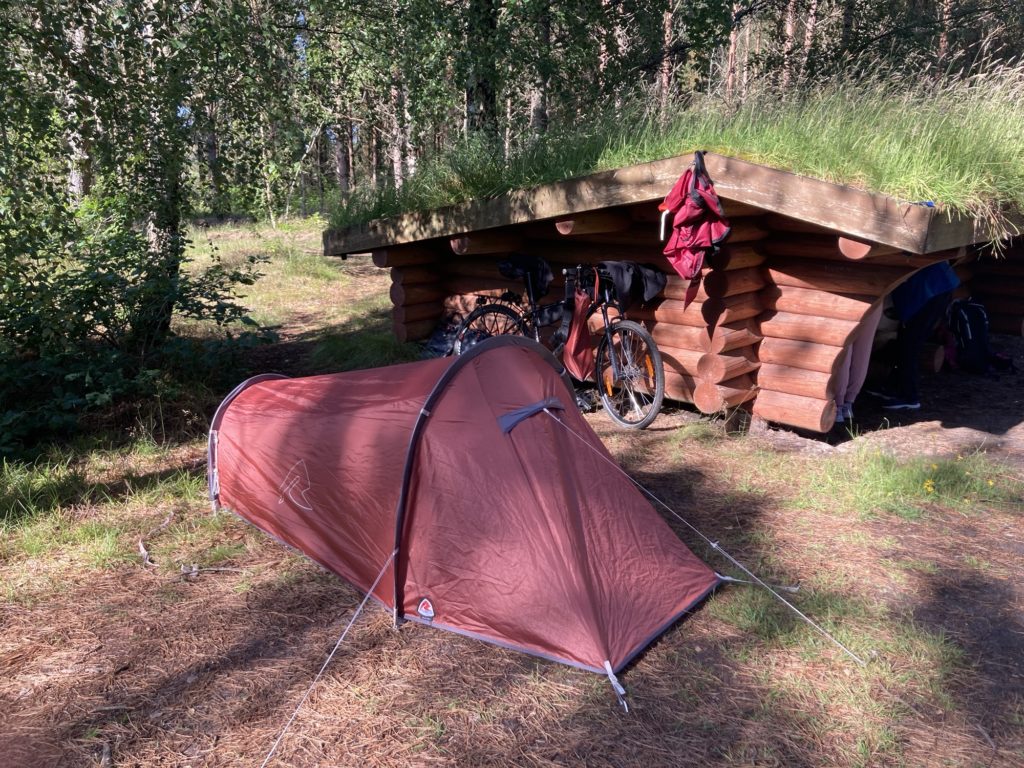
Pozostaje jeszcze dojechać do wiaty turystycznej, bo dzisiejszy plan przewiduje nocowanie w lesie. Przejeżdżam raptem 1 kilometr i wychodzi słońce. Patrzę w górę, ani śladu chmur.
En: I still need to reach the tourist shelter because tonight’s plan is to camp in the forest. I ride just 1 kilometer, and the sun comes out. I look up, and there’s no trace of clouds.
Aha, myślę sobie, to tak działa pogoda w Danii. Zanotowane. Jak to było? Człowiek uczy się całe życie?
En: Aha, I think to myself, so that’s how the weather works in Denmark. Noted. How does the saying go? You learn something new every day?
A ile ma być docelowo kilometrów?
Wyjazd petarda. Gratulacje.
Dzięki! Komoot mówi, że około 1850. Ale zobaczymy, bo czasem wybieram inną drogę, albo inne miejsce na nocleg. Na pewno mniej niż 2k.