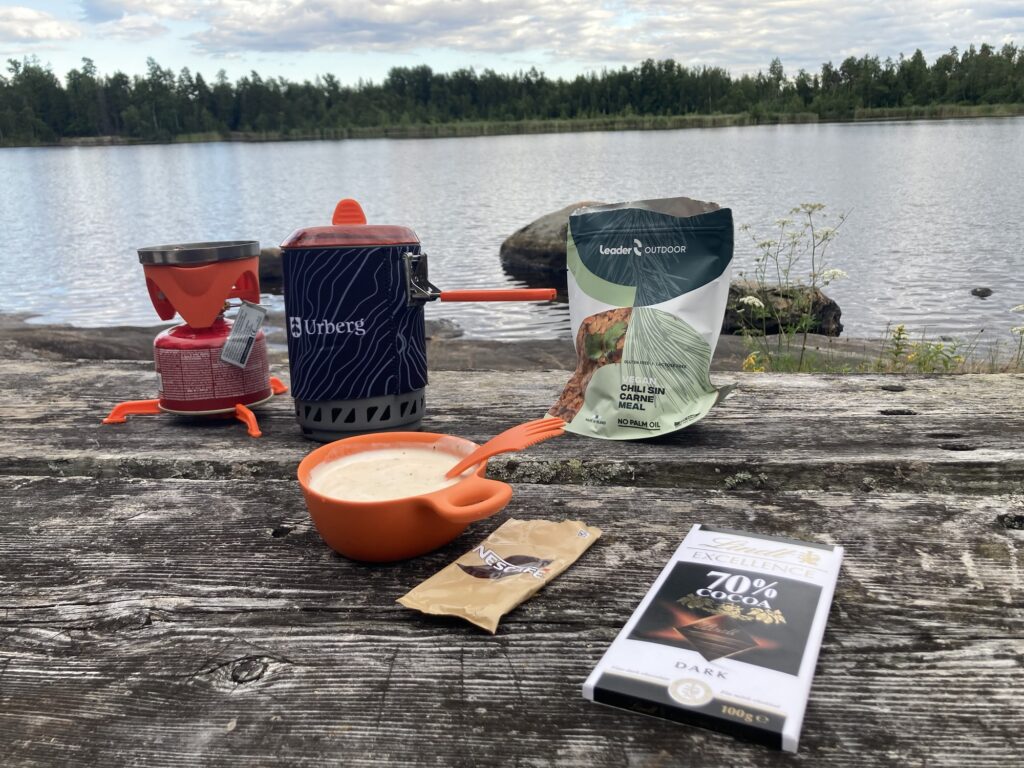
Dziś udało mi się dojechać do szałasu nad jeziorem Storsjön, niedaleko miasteczka Valdemarsvik.
EN: Today I managed to reach a shelter by Lake Storsjön, not far from the town of Valdemarsvik.
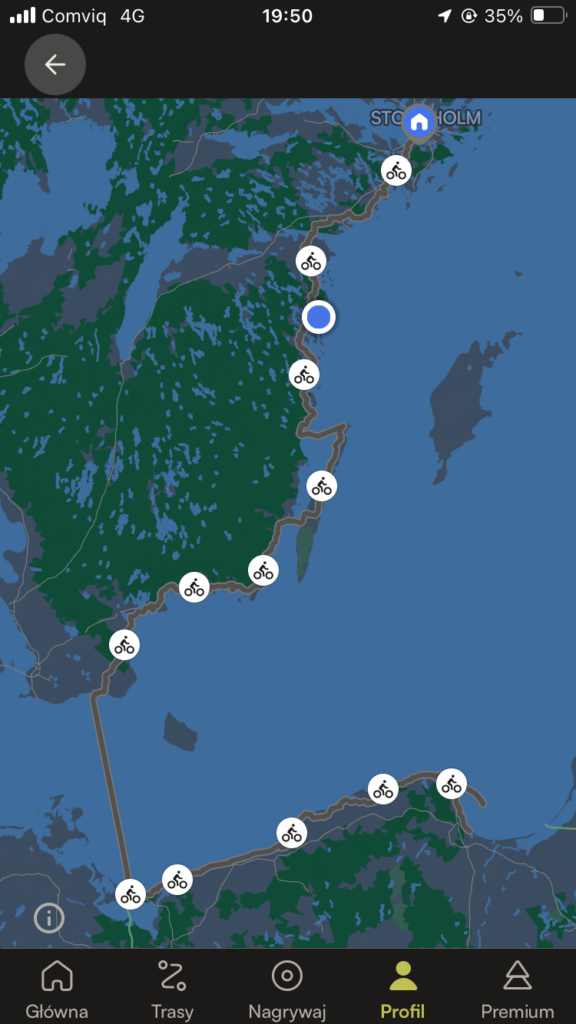
Ale o tym za chwilę – najpierw mapka z Komoot.
EN: But more on that in a moment—first, here’s today’s Komoot map.
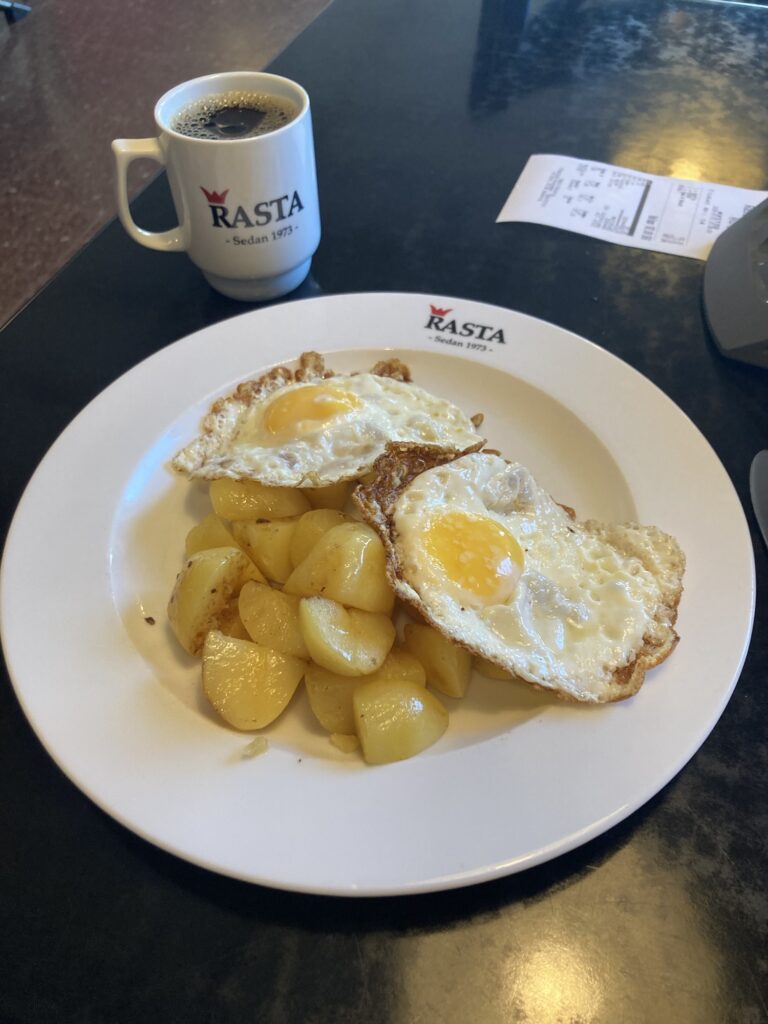
Dzień zaczął się wietrznie, a temperatura wymuszała założenie dwóch warstw ubrań. Dlatego na początek, na stacji benzynowej na wylocie z Nyköping, zjadłem konkretne śniadanie.
EN: The day began with strong winds, and the temperature called for two layers of clothing. So I started with a hearty breakfast at a gas station on the outskirts of Nyköping.
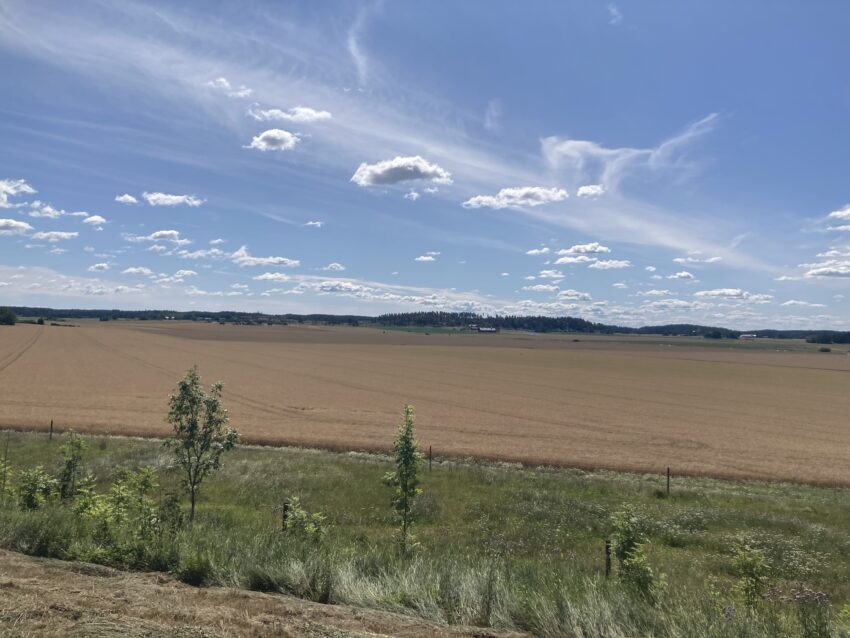
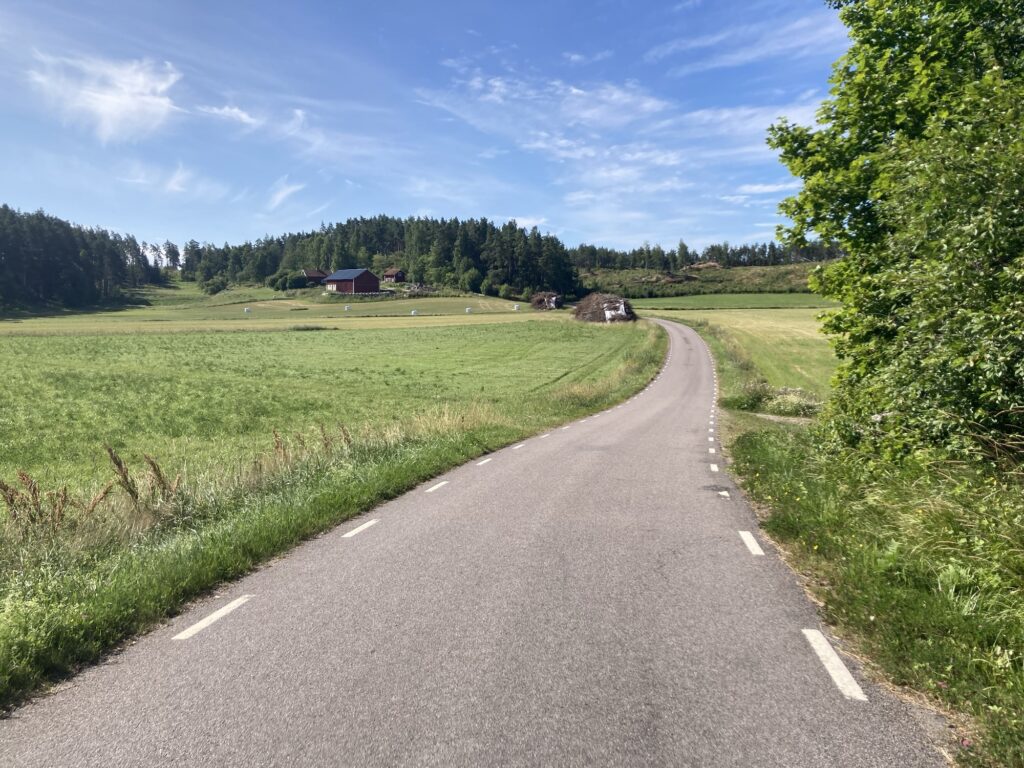
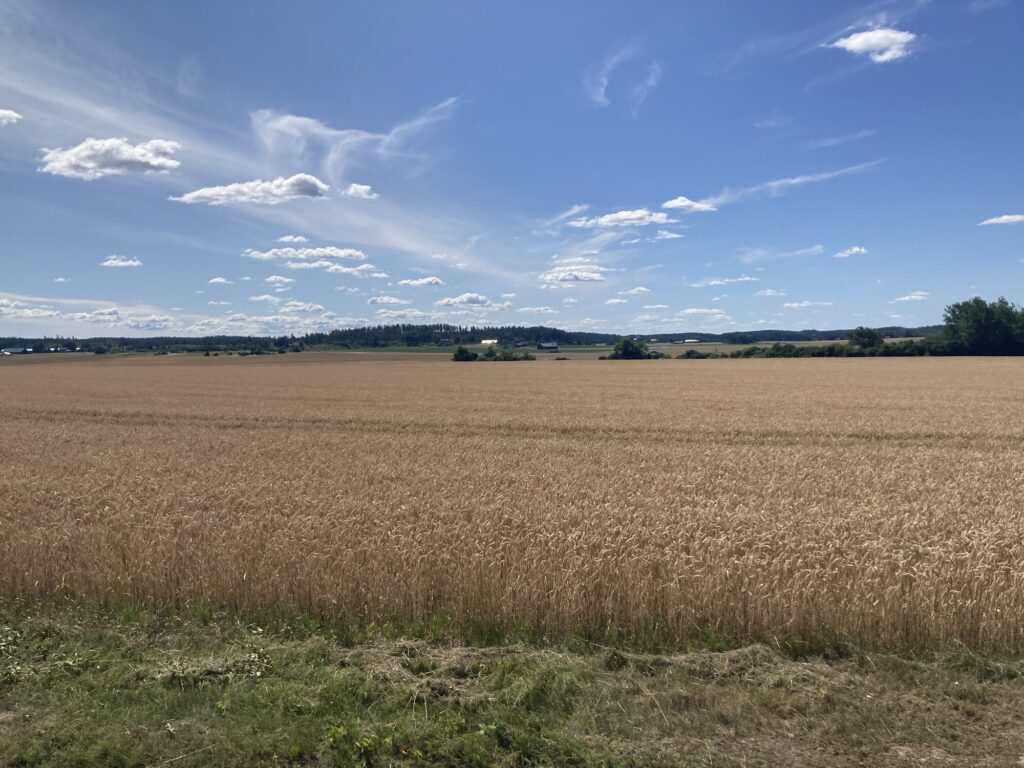
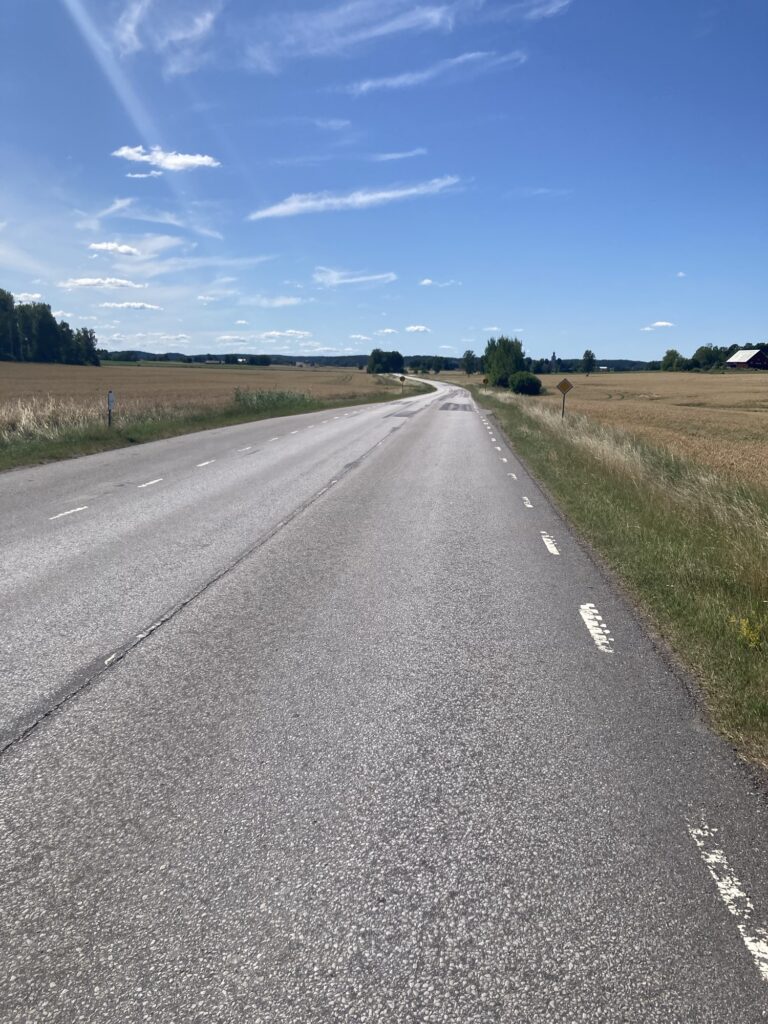
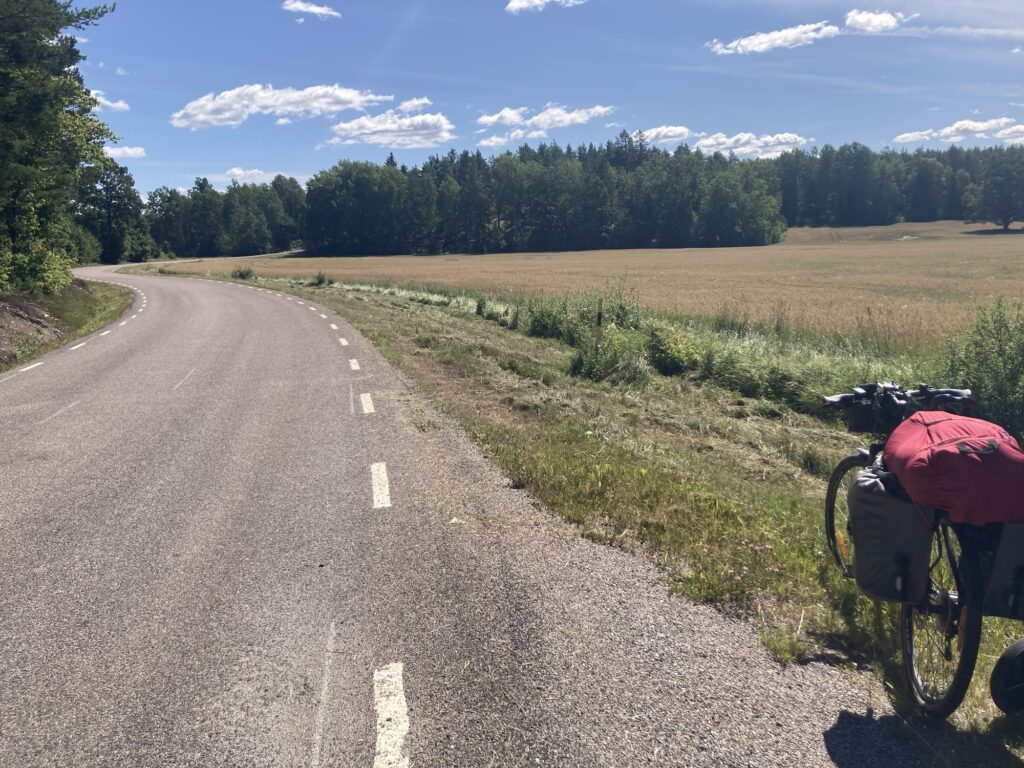
Pogoda poprawiała się z godziny na godzinę i w pewnym momencie słońce zaczęło solidnie przypiekać. Krajobraz powoli zmieniał się z leśnego w wiejski. Pojawiało się coraz więcej pól i niewielkich przysiółków z zabudowaniami gospodarczymi.
EN: The weather improved hour by hour, and before long the sun was beating down. The landscape gradually changed from forest to countryside, with more and more fields and tiny hamlets dotted with farm buildings.
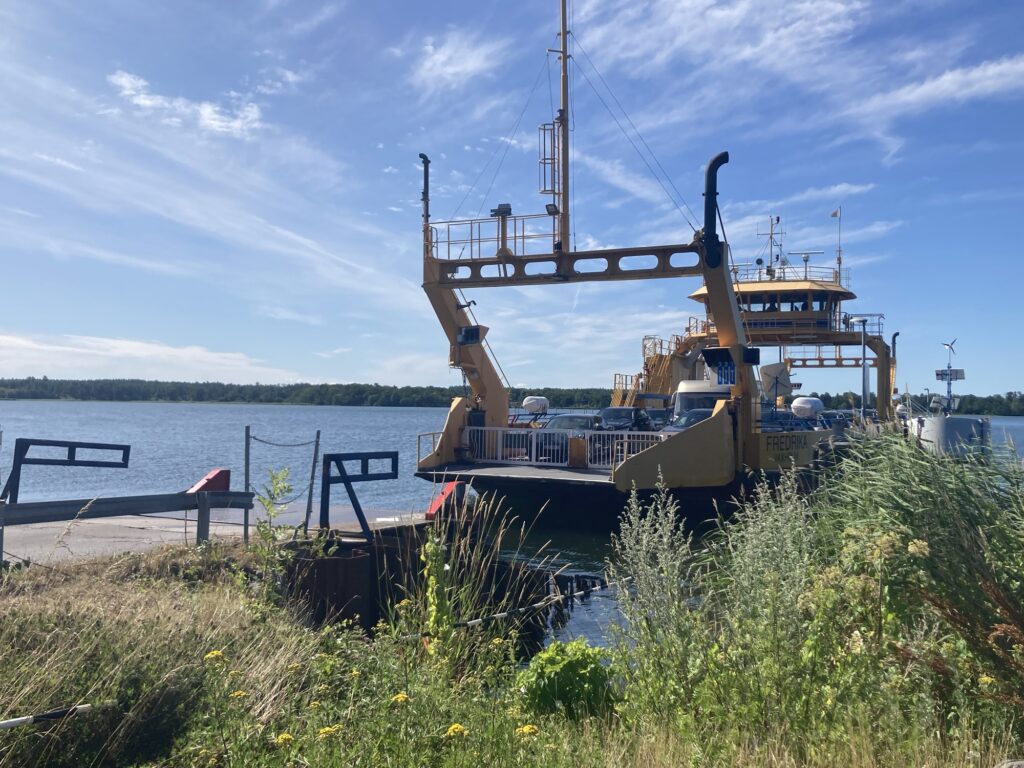
Żeby nie nadrabiać trasy i nie jechać przez Norrköping, zdecydowałem się na prom w miejscowości Säterdalen. Te promy kursują średnio co 20 minut, mają tylko dwa przystanki i zastępują mosty. Korzystają z nich głównie miejscowi, choć są darmowe dla wszystkich.
EN: To avoid making a detour through Norrköping, I decided to take the ferry in Säterdalen. These ferries run roughly every 20 minutes, have just two stops, and serve as substitutes for bridges. They’re used mainly by locals, although they’re free for everyone.
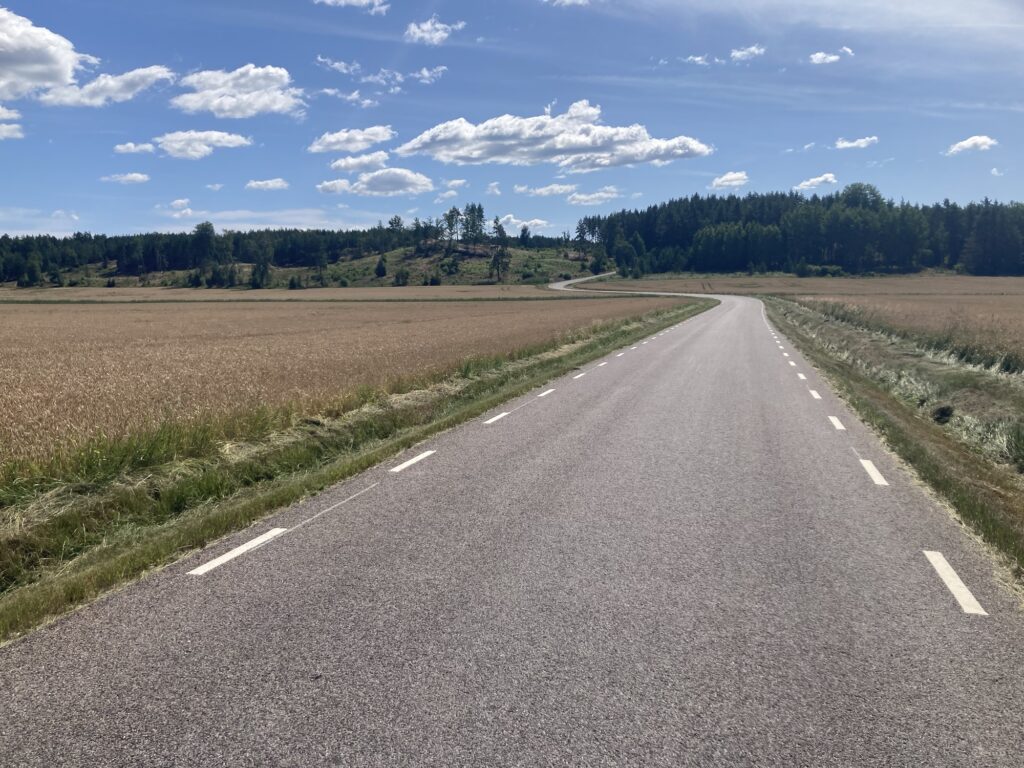
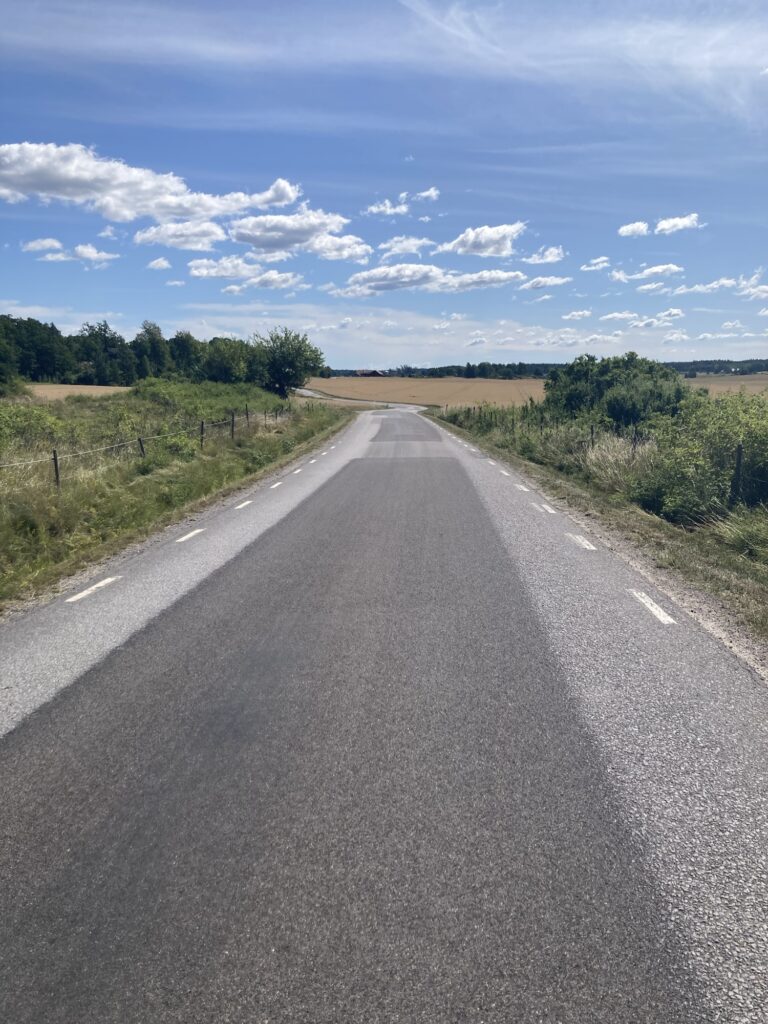
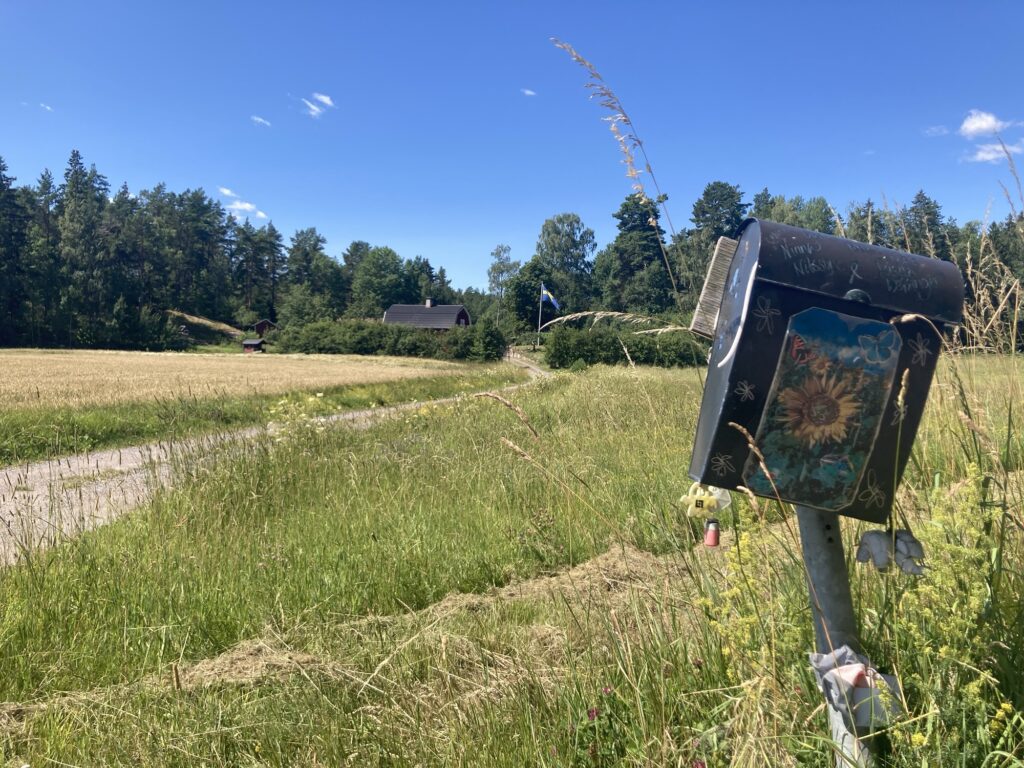
Po drugiej stronie krajobraz zaczęły wypełniać pola uprawne. Pierwsze wrażenie było oszałamiające, lecz po pewnym czasie zrobiło się to monotonne. Uderzające było też to, że przysiółki, kolonie – czy jak je tutaj nazwać – są rozrzucone w dość dużych odległościach, składają się z raptem kilku domów i w zasadzie nigdy nikogo nie widać. Panuje kompletna cisza. Jadąc przez Östergötland, można odnieść wrażenie, że miejsce jest wyludnione.
EN: On the other side, the landscape became dominated by farmland. At first it was stunning, but after a while it started to feel repetitive. What also struck me was how scattered these hamlets—or whatever the proper name for them is—are. They consist of just a handful of houses, separated by considerable distances, and you hardly ever see anyone. The silence is absolute. Riding through Östergötland, you could easily get the impression that the region is almost deserted.
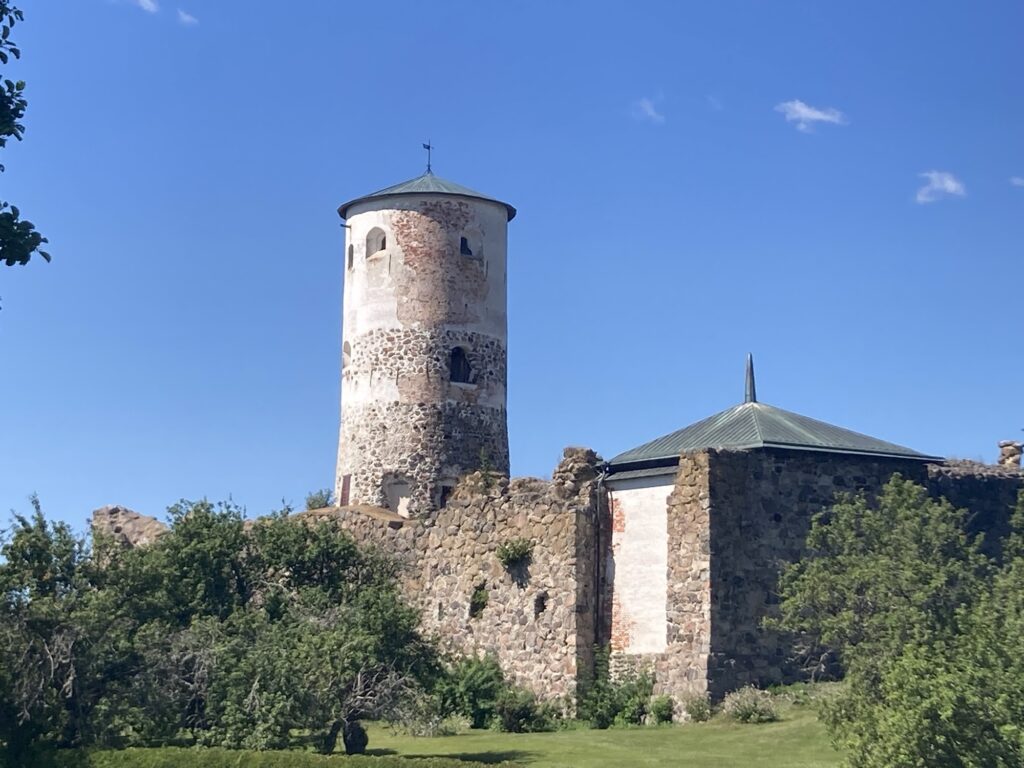
Kolejnym promem przeprawiłem się przez zatokę Slättbaken. Po drugiej stronie nad okolicą góruje wieża zamku Stegeborg. To stąd Zygmunt III Waza rozpoczął swoją ekspedycję, mającą wymusić posłuszeństwo buntowników pod dowództwem jego stryja, Karola Sudermańskiego. Wiemy, z jakim skutkiem.
EN: I crossed Slättbaken Bay on another ferry. On the opposite shore, the tower of Stegeborg Castle dominates the landscape. It was from here that Sigismund III Vasa launched his campaign to subdue the rebels led by his uncle, Charles, Duke of Södermanland. We all know how that turned out.
W drodze do miasteczka obiadowego (dziś było to Valdemarsvik) natknąłem się w lesie na tablicę – drogowskaz z patriotyczną szwedzką poezją z początku XX wieku.
EN: On my way to today’s lunch stop, Valdemarsvik, I came across a sign in the forest displaying a patriotic Swedish poem from the early 20th century.
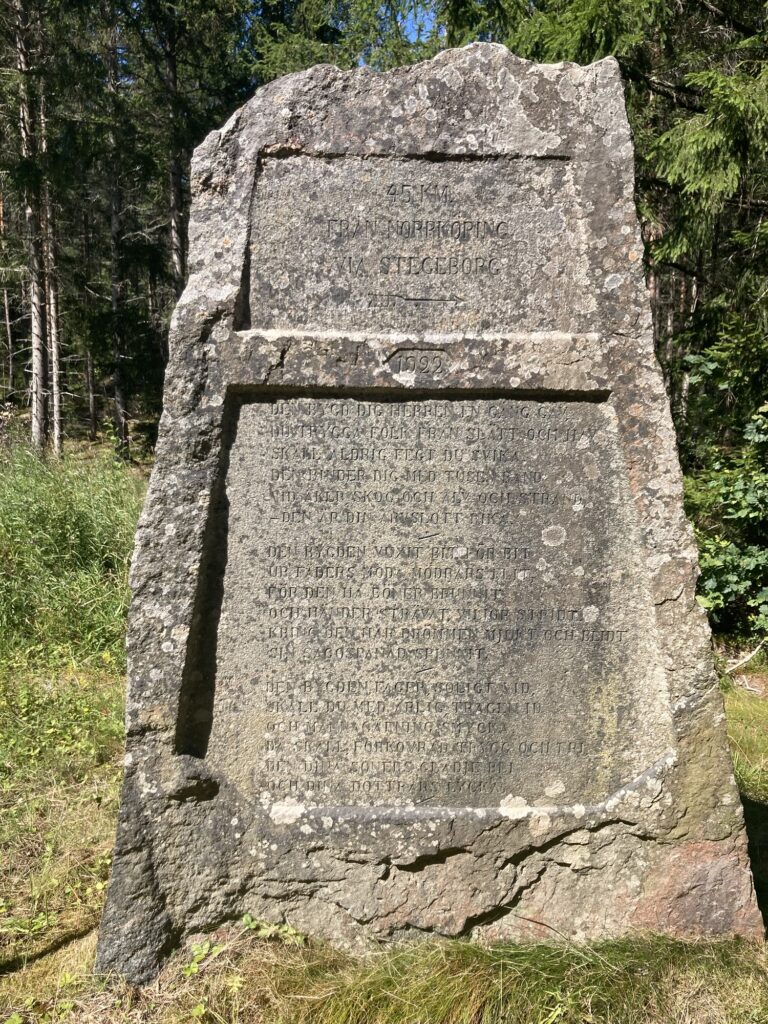
Krainy, którą niegdyś dał ci Pan,
wy, spokojni ludzie równin i morza,
nigdy tchórzliwie nie porzucajcie.
Wiąże was z nią tysiąc więzi –
z polami, lasami, rzekami i brzegami.
To wasze bogate dziedzictwo.
Ta ziemia rosła po kawałku
dzięki trudowi ojców i pracowitości matek.
Za nią wznoszono modlitwy,
dla niej pracowały dłonie i walczyły wole,
a marzenia snuły wokół niej
swoją łagodną baśń.
Tę piękną, słoneczną krainę
masz ozdabiać uczciwą, wytrwałą pracą
i dobrymi czynami.
Wtedy, wzbogacona, bezpieczna i wolna,
stanie się radością twoich synów
i szczęściem twoich córek.
EN:
Never abandon, out of fear,
the land your Lord once placed in your care,
you peaceful people of the plains and sea.
A thousand bonds unite you with this place—
its fields and forests,
its rivers and its shores.
It is the wealth you have inherited.
This land was shaped, piece by piece,
by fathers’ toil and mothers’ steadfast hands.
Prayers were offered for its sake,
hands laboured and hearts persevered,
while gentle dreams wove around it
their quiet tales of hope.
This fair and sunlit country
is yours to enrich
through honest work,
enduring effort,
and kindness in your deeds.
Then, prosperous,
secure and free,
it shall become the joy of your sons
and the happiness of your daughters.
Co ciekawe, nie ma tutaj ani słowa o wojnach, wrogach czy narodzie. Jest za to przywiązanie do ziemi, szacunek dla pracy i kontynuowanie wysiłku poprzednich pokoleń z myślą o kolejnych. To odświeżająca dla mnie definicja patriotyzmu.
EN: Interestingly, there isn’t a single word here about wars, enemies, or the nation. Instead, the poem speaks of attachment to the land, respect for work, and continuing the efforts of previous generations for the benefit of those yet to come. I find that a refreshing definition of patriotism.
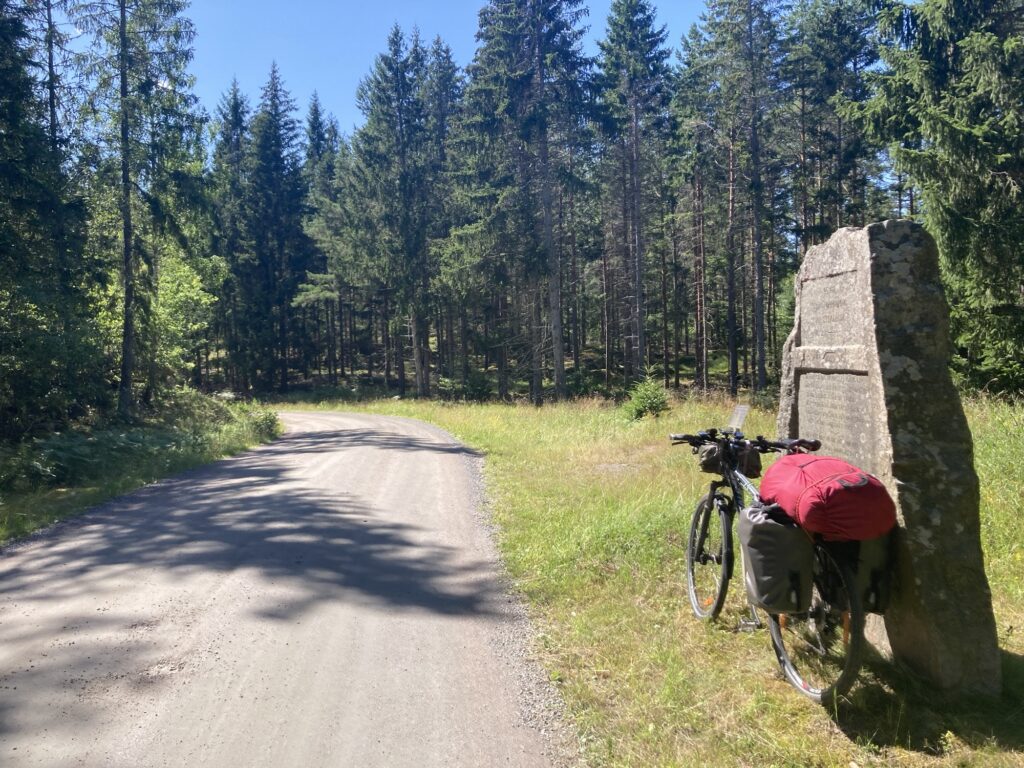
Wjeżdżam do Valdemarsvik. Od samego początku zastanawia mnie ta nazwa. Jaki Valdemar? Odpowiedź jest prozaiczna – żaden. Pierwotna nazwa miejscowości brzmiała Vammar, czyli „płytka bagnista zatoka” lub „mokradło”. Zatoka przy tej wsi nosiła nazwę Vammarsviken, czyli „zatoka Vammar”. Dopiero w XVIII wieku zaczęto błędnie kojarzyć nazwę z popularnym wówczas imieniem Valdemar i etymologia ludowa zrobiła swoje (więcej na ten temat można poczytać na stronach Instytutu Języka i Folkloru: https://www.isof.se/namn/ortnamn/sol/ortnamnslexikon/vad-vaxjo).
EN: I finally roll into Valdemarsvik. The name had been puzzling me all day. Which Valdemar was it named after? The answer is surprisingly simple—none. The original name of the settlement was Vammar, meaning “a shallow marshy bay” or “wetland.” The nearby bay was called Vammarsviken, literally “the bay of Vammar.” Only in the 18th century did people mistakenly associate the name with the then-popular given name Valdemar, and folk etymology did the rest.
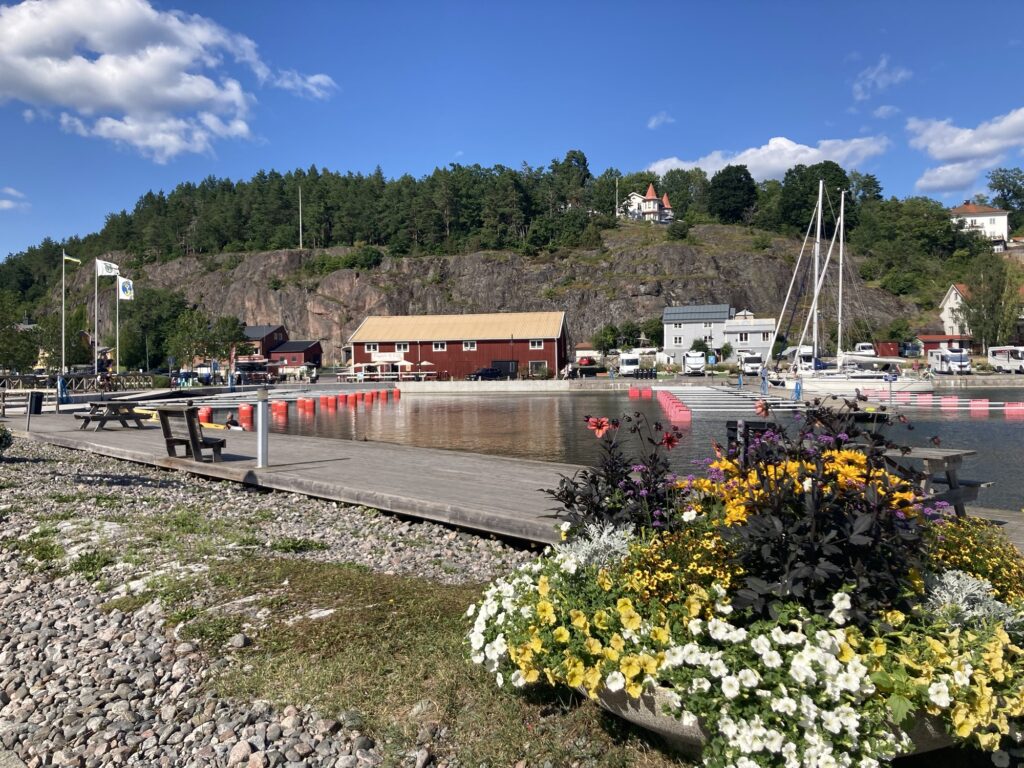
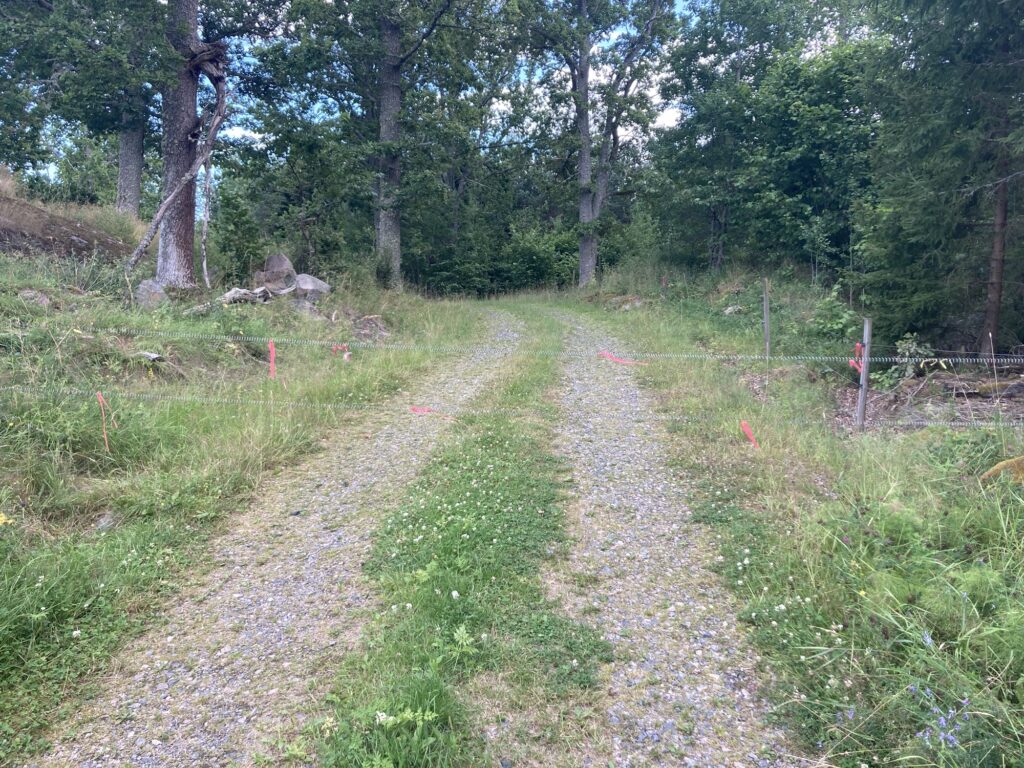
W końcu docieram do szałasu. Nie jest łatwo – droga wyznaczona przez Komoot okazuje się zagrodzona siatką z drutem pod napięciem. Na szczęście znajduję objazd prowadzący dość wyboistą drogą szutrową. Mam tylko nadzieję, że koła Kolubryny przeżyją tę przygodę.
EN: At last I reach the shelter. It isn’t straightforward—the route suggested by Komoot is blocked by a fence with an electric wire. Fortunately, I find a detour along a rather rough gravel road. I just hope Kolubryna’s wheels survive the adventure.
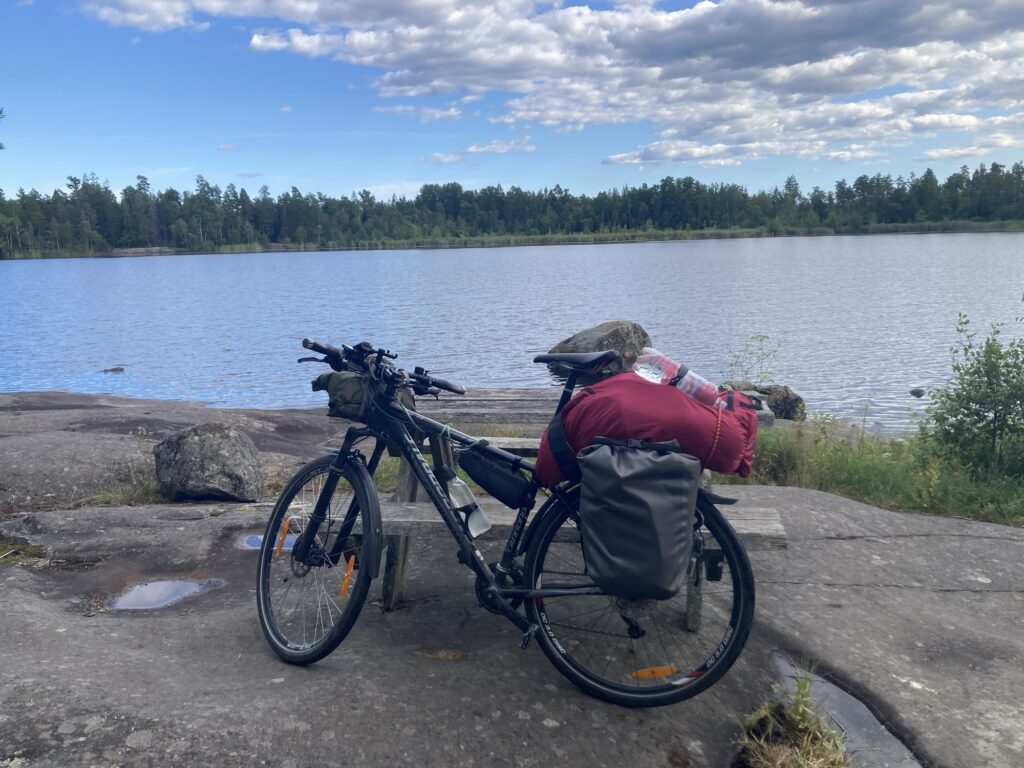
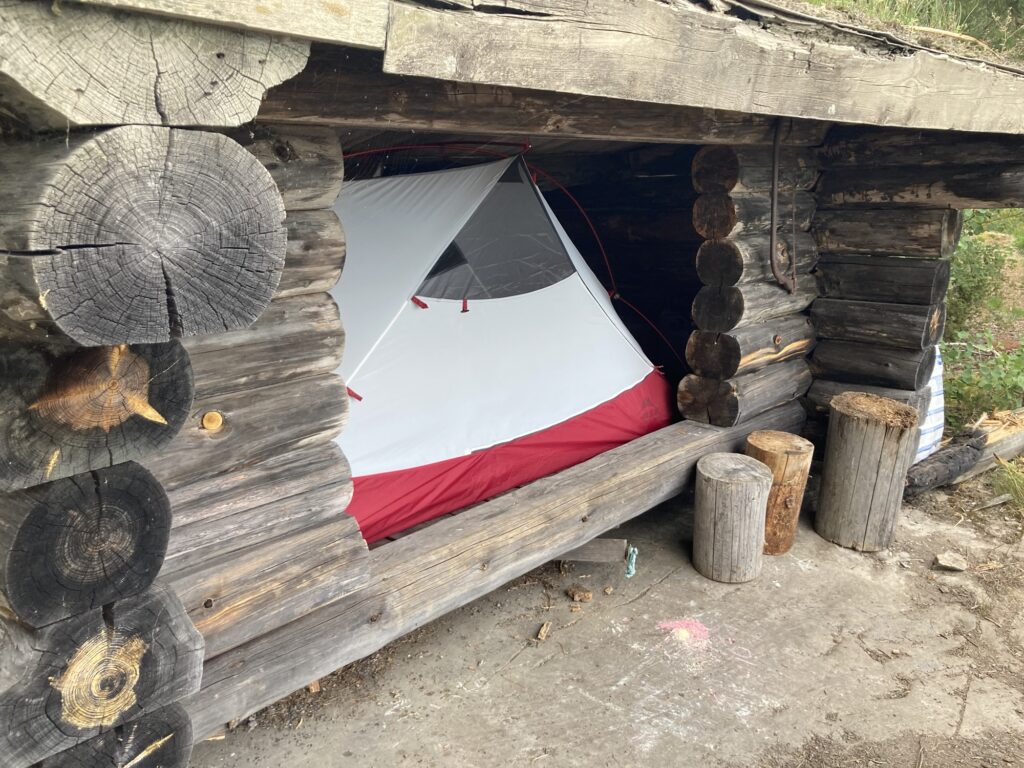
Dziś śpię nad jeziorem. Poza mną nie ma tu nikogo, a namiot idealnie mieści się pod wiatą.
EN: Tonight I’m sleeping by the lake. There’s nobody else here, and my tent fits perfectly under the shelter.
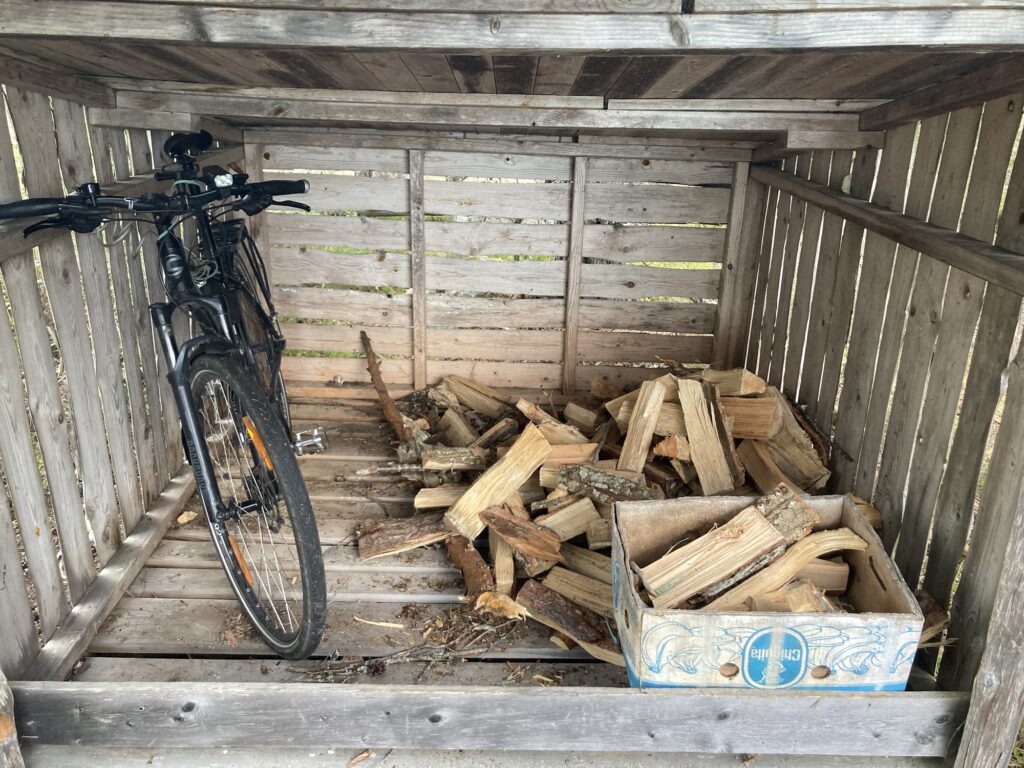
Chilli sin carne, kawa typu „mleko z cukrem” i kostka czekolady. Można iść spać.
EN: Chilli sin carne, coffee that’s mostly milk and sugar, and a square of chocolate. Time to get some sleep.